St Paul's to Blackfriars: navigating narrow streets for movers
Posted on 14/05/2026
If you have ever tried to move furniture through the City on a weekday morning, you'll know the feeling: a van at one end, a tight corner ahead, and not quite enough room for the mattress you swore would "definitely fit". St Paul's to Blackfriars: navigating narrow streets for movers is not just a route problem. It is a planning problem, a timing problem, and, honestly, a patience problem too. The streets between these two busy London landmarks can be awkward for loading, parking, turning, and carrying bulky items safely.
This guide breaks the move down into practical steps so you can plan smarter, protect your belongings, and avoid the common headaches that come with tight central-London access. Whether you are moving a flat, a small office, a few heavy items, or an entire household, the same core principles apply: prepare early, reduce unnecessary loads, and treat access as seriously as packing.

Why St Paul's to Blackfriars: navigating narrow streets for movers Matters
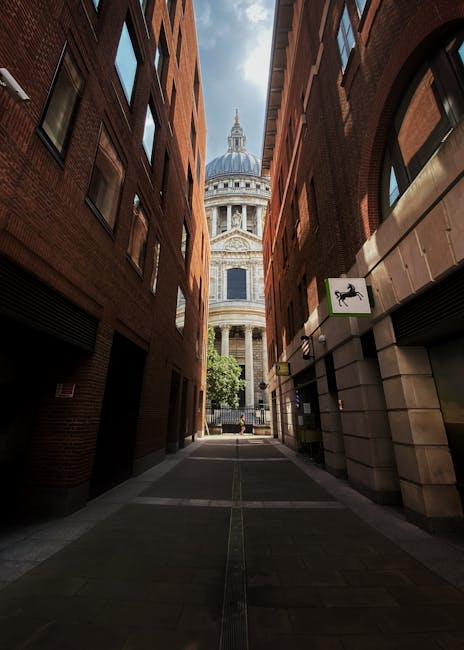
The stretch around St Paul's and Blackfriars sits in one of London's most intense traffic and access environments. Roads are busy, curb space is limited, and many side streets are narrow enough that two vehicles passing can already feel like a negotiation. Add pedestrians, cyclists, delivery vans, office traffic, and the odd roadworks sign, and you get a moving environment that rewards preparation.
For movers, narrow streets matter because they change almost every part of the job:
- Parking may be limited or restricted.
- Turning circles can be tight for larger removal vehicles.
- Carrying items from van to door may take longer than expected.
- Stairs, lifts, and building access become even more important.
- Small delays can quickly ripple through the whole schedule.
In practice, a move that looks straightforward on paper can become tricky the moment a van cannot stop directly outside the property. That is why local knowledge, realistic timing, and the right vehicle size matter so much. To be fair, this is exactly the kind of move where a little planning saves a lot of sweating later.
If you are still in the planning phase, it can help to read broader moving advice such as stress-free house moving strategies and how to declutter wisely before relocating, because both reduce the amount you need to carry through the narrowest parts of the route.
How St Paul's to Blackfriars: navigating narrow streets for movers Works
At its simplest, this kind of move works by reducing friction at every stage. That means choosing an access plan before moving day, not after the van has already arrived and is blocking a loading lane. It also means thinking in terms of route, width, timing, and carry distance, not just distance between postcodes.
Here is the practical flow most experienced movers follow:
- Survey the access. Check road width, one-way systems, loading restrictions, and any obvious obstacles like bollards or low trees.
- Match the vehicle to the street. A smaller removal van or man and van setup is often easier in tight central-London streets than a larger lorry.
- Plan the load order. Put the most difficult items near the exit path so they come out first, while everyone is fresh.
- Protect fragile items early. If a box has to be carried a long way, it should be packed as though it will be set down suddenly. Because sometimes it will.
- Protect the property. Door frames, floors, banisters, and shared hallways are all vulnerable when a route is tight.
- Keep the schedule realistic. In central London, a "short" move often takes longer than people expect.
A lot of the challenge is not the actual lifting, it is the geography. A sofa is manageable in a roomy hallway. A sofa at a sharp angle in a narrow stairwell, with a parked car inches away outside, is a different story entirely. If you're handling larger pieces, reading furniture removals in Blackfriars can help you understand what professional handling usually involves.
For heavier or more awkward items, the route and technique matter even more. That is why many movers also look at safe lifting guidance for heavy items before the day arrives.
Key Benefits and Practical Advantages
Good access planning around St Paul's and Blackfriars is not just about avoiding stress, although that alone is a strong argument. It also delivers practical benefits that show up in time, cost, and safety.
1. Fewer delays
When the van can stop close to the entrance, loading happens faster. When it cannot, every item becomes a short carry. That sounds minor, but a dozen trips across a busy pavement can add up quickly.
2. Lower risk of damage
Less squeezing and fewer awkward turns usually means less chance of scuffed walls, dented furniture, or scratched floors. That is especially important in period buildings and shared properties where the hallways are already tight.
3. Better crew coordination
Movers work more efficiently when the route is clear and the job has been planned around access. The team is not wasting time improvising around a van that is too large or boxes that should have been separated earlier.
4. Reduced physical strain
Shorter carries and better handling reduce the chance of injuries. That is true whether you are moving on your own or using professionals. If you want more practical lifting context, the page on kinetic lifting principles is a useful read, even if your "athletic event" is really just getting a wardrobe past a stairwell.
5. Better outcome for fragile or high-value items
When access is controlled properly, there is less jostling. That matters for mirrors, TVs, artwork, and awkward pieces like pianos. In those cases, professional support through piano removals in Blackfriars can be the sensible choice rather than a heroic DIY attempt.
Expert summary: In tight London streets, the most successful move is rarely the one with the biggest van. It is the one with the clearest plan, the right timing, and the least wasted movement.
Who This Is For and When It Makes Sense
This topic is relevant to a surprisingly wide range of people. The obvious group is homeowners and tenants moving between flats or houses near St Paul's and Blackfriars. But it also applies to students, office teams, landlords, and anyone dealing with awkward access or multiple flights of stairs.
It makes sense to prioritise this kind of planning if:
- your property is on a narrow street or a one-way road;
- you cannot guarantee direct van access outside the door;
- you have a large sofa, bed, wardrobe, or piano;
- you are moving out of a top-floor flat;
- you need same-day turnaround;
- you are moving during peak traffic hours;
- you have limited help and want to avoid overdoing it.
Students moving into or out of smaller central homes will often benefit from student removals in Blackfriars, especially when there are a few bulky items but not a full house to clear. Flat residents can also look at flat removals support in Blackfriars if stairwells and parking are likely to be the main problem.
Office relocations are a different beast, but the access issue is the same. Files, monitors, chairs, and IT equipment do not move themselves, however much everyone wishes they did on a Monday morning. For commercial readers, office removals in Blackfriars is worth reviewing.
Step-by-Step Guidance
Below is a practical way to handle a move through narrow streets between St Paul's and Blackfriars without losing the plot halfway through.
Step 1: Check the property access from both ends
Start at the pickup point and the destination. Do not assume one side will be easy just because the other side is manageable. Look for loading restrictions, resident-only bays, width bottlenecks, height barriers, and awkward entrances. If you can, walk the route at the same time of day as your move. Morning and evening can feel like entirely different streets.
Step 2: Measure the big items, not just the rooms
The dimensions of the room mean very little if the wardrobe cannot clear the stairwell. Measure sofas, mattress depth, beds, table legs, and anything with a fixed awkward shape. A quick tape-measure check can save a very embarrassing moment at the door.
Step 3: Decide what should be moved, stored, or recycled
Not everything needs to go. A move through narrow streets is a good time to cut weight. Consider donating, selling, recycling, or placing excess items into storage. If you need that extra breathing room, storage options in Blackfriars can be a practical temporary solution.
Step 4: Pack for carry, not just for stacking
Boxes that are fine in a storage room can become a nuisance on stairs if they are too heavy or badly balanced. Pack heavier items into smaller boxes and label fragile sides clearly. For more detail, see expert advice on packing efficiently when moving.
Step 5: Prepare the van and load order
Load the heaviest and least fragile items first, but also think about the order in which things must come out. If a bed frame is needed before the boxes can be stacked in the right room, it should not be buried under miscellaneous "we'll sort that later" bags. We've all got one of those bags. Or three.
Step 6: Protect shared spaces
Use covers or blankets where needed, especially in narrow hallways and stairwells. Door frames and banisters take a beating during rushed moves. A little protection now is far better than a difficult conversation later.
Step 7: Build in time for the unexpected
Parking may be slightly further away than expected. A lift may be busy. Another delivery van may block access for ten minutes. In central London, these things are normal, not disasters. Leave enough margin that the day can absorb a small delay without becoming chaos.
Expert Tips for Better Results
After enough moves through busy central streets, a few patterns become obvious.
- Move early if possible. Narrow streets are often easier before peak traffic builds up.
- Break the job into lanes. One person manages the van, one person manages the door, one person manages fragile items. Simple, but effective.
- Keep essentials separate. Documents, chargers, keys, medication, and one change of clothes should not disappear into a box labelled "misc".
- Use smaller boxes for heavy items. Books and kitchenware are the usual culprits here.
- Think about the final room layout. The less you have to shuffle items around once inside, the better.
- Communicate clearly. A quick, calm instruction beats shouting across a pavement any day.
It also helps to combine moving prep with a general reset. If you can declutter first, pack logically, and leave the property in good condition, you will feel much more in control. The guides on leaving your home spotless before moving out and making house moving less stressful are useful companions to this article.
One small but real-world tip: keep a roll of tape, a marker pen, and a cloth in your coat pocket. It sounds trivial until 4:45pm when you're trying to relabel a box and wipe rain off a mirror at the same time.
Common Mistakes to Avoid
Most moving problems in narrow streets are predictable. That is the annoying part. The good news is they are also avoidable.
Using the wrong vehicle size
A larger van is not always better. In a tight area, oversized vehicles may struggle to park, turn, or unload efficiently. Choosing the right removal van matters more than choosing the biggest one. For a better idea of vehicle suitability, see removal van options in Blackfriars.
Ignoring the final 20 metres
People often plan the route between postcodes but forget the last stretch from van to front door. That is where the actual carrying happens, and where most mistakes happen too.
Packing boxes too heavily
Heavy, overfilled boxes are miserable on stairs and risky for backs. They also split at the worst possible time. The box that opens at the bottom of a stairwell is not a memory anyone wants.
Leaving access questions until moving day
If you do not know where the van can stop, you do not really know how long the move will take. Access should be confirmed before the day, not guessed in the moment.
Trying to move specialist items without support
Pianos, oversized wardrobes, and some antiques are not standard DIY items. Even if you are strong, the shape and weight distribution can make them awkward and unsafe. That is where professional services make real sense.
Forgetting building rules
Some buildings require lift bookings, protection for common areas, or advance notice for large moves. Check this early. It is much easier than apologising after the fact.
Tools, Resources and Recommendations
A smooth move in tight streets usually comes down to having the right basics close at hand. Nothing fancy. Just reliable tools and sensible backups.
- Furniture blankets and covers: good for door frames, corners, and fragile finishes.
- Straps and trolleys: useful for controlled carrying and reducing strain.
- Strong tape and labels: keep boxes identifiable and secure.
- Gloves with grip: helpful in wet weather or when carrying awkward edges.
- Torches or phone lights: surprisingly handy in dim hallways or under-stair areas.
- Reusable crates and packing materials: especially useful if you want a more sustainable approach.
If you are still gathering supplies, packing and boxes in Blackfriars is a sensible place to start. If you are comparing service levels or want a broader overview, the services overview helps you understand the main moving options at a glance.
For peace of mind, especially when items are valuable or the route is awkward, it is also worth reading about insurance and safety and the company's health and safety policy. Those pages are not glamorous, granted, but they matter when something unexpected happens.
If you are comparing providers, the pages on man with a van in Blackfriars, man and van services, removals in Blackfriars, and removal services in Blackfriars are useful starting points for shaping the right level of support.
Law, Compliance, Standards, or Best Practice
For moves in central London, practical compliance matters more than people often realise. You do not need to become a transport lawyer, but you should be aware of the basics.
First, parking and stopping rules can be strict around busy roads and loading bays. Always check local restrictions and do not assume a short stop is automatically acceptable. A quick check of the route and any booking requirements can prevent fines and delays. Second, if you are moving in a managed building, ask about booking lifts, protecting floors, and notifying building management. That is standard good practice, even where it is not formally written into a contract.
Third, safe manual handling should be taken seriously. UK best practice expects loads to be assessed sensibly, lifted with care, and moved using suitable equipment where appropriate. If something feels too heavy, too long, or too awkward, it probably is. That is not weakness; that is common sense with better shoes on.
Service expectations also matter. A reputable moving provider should explain what is included, how items will be handled, and what happens if access is more difficult than expected. If you want clearer commercial detail, check pricing and quotes, terms and conditions, and payment and security. Those pages help you understand the booking process and reduce the risk of surprises later.
Finally, if your move creates unwanted items, it is worth thinking about responsible disposal. The page on recycling and sustainability is relevant here, especially if you are trying to keep the move tidy and environmentally responsible.
Options, Methods, or Comparison Table
There is more than one way to handle a move through narrow streets. The best option depends on property size, item type, and how much access you have. Here is a simple comparison.
| Method | Best for | Pros | Drawbacks |
|---|---|---|---|
| DIY with a hired van | Small loads and flexible schedules | Lower upfront cost, full control | Harder in tight streets, more lifting risk, you handle all logistics |
| Man and van service | Single-room, flat, or moderate loads | Flexible, often easier in narrow streets, less physical strain | May need good timing and clear instructions |
| Full removal service | Larger household or complex moves | More support, better for heavy or fragile items, less stress | Usually costs more and may require more planning |
| Specialist item moving | Pianos, antiques, oversized furniture | Better protection, expert handling | Not suitable for every item or budget |
For many people moving between St Paul's and Blackfriars, the sweet spot is a smaller vehicle with experienced help. It is usually easier to navigate the street pattern, and the loading process tends to be faster. If the move is time-sensitive, same-day removals in Blackfriars may also be relevant, though only if access and item types are straightforward enough.
Large family homes, on the other hand, are often better served by house removals in Blackfriars, because the extra coordination reduces the chance of a chaotic day. And if you need a broader decision between providers, removal companies in Blackfriars can help you compare service levels.
Case Study or Real-World Example
Imagine a one-bedroom flat near Blackfriars, with a sofa bed, a mattress, a desk, several boxes of books, and a large mirror. Nothing outrageous. But the street outside is narrow, the nearest parking is limited, and the building entrance sits just beyond a tight corner.
In this kind of move, a poor plan would be to arrive with too large a van, pack the heavy items first without thinking, and hope the curb space works out. That is how a simple move turns into a long one.
A better approach would look like this:
- book a vehicle sized for the street rather than the wish list;
- move the sofa bed and mattress early while the corridor is still clear;
- wrap the mirror separately and keep it upright;
- load books into smaller boxes to avoid overstrain;
- place one person near the door to coordinate carrying;
- leave a small buffer for parking and pedestrian traffic.
That way, the move feels controlled. Not effortless, because let's be honest, moving is rarely effortless. But controlled. And that makes a huge difference by the time you are carrying the last lamp through the door.
For those moving beds or mattresses specifically, the guide on moving your bed and mattress efficiently is a practical companion, especially if you are navigating tight corners and stairwells.
Practical Checklist
Use this checklist the day before and the morning of the move.
- Confirm the pickup and drop-off access points.
- Check parking restrictions and loading options.
- Measure large furniture and awkward items.
- Reserve lifts or notify building management if needed.
- Pack heavy items into smaller boxes.
- Label fragile and essential items clearly.
- Protect furniture with blankets, wrap, or covers.
- Keep documents, keys, and chargers separate.
- Have water and snacks available for the team.
- Leave extra time for traffic, delays, and last-minute adjustments.
Quick rule of thumb: if an item is hard to carry in your own hallway, it will be harder in a narrow London street. Plan accordingly.
Conclusion
St Paul's to Blackfriars: navigating narrow streets for movers is really about doing ordinary moving tasks with extra care. The route itself is only part of the challenge. The real work is in planning access, choosing the right vehicle, packing sensibly, and thinking through the final steps before the van arrives. If you do those things well, the move becomes far less stressful, even in one of London's tighter and busier pockets.
Whether you are moving a flat, shifting furniture, or arranging a more complex relocation, small improvements in preparation can save time, reduce damage, and make the whole day feel calmer. And calmer is good. Always good.
If you want help with a move that involves awkward access, tight streets, or items that really should not be carried by guesswork, start by comparing your options and getting clear on the scope of the job.
Get a free quote today and see how much you can save.