Ludgate Hill & Temple moves: parking and access tips
Posted on 22/05/2026
Ludgate Hill & Temple moves: parking and access tips
Moving in central London can feel straightforward on paper and then completely different once a van meets a narrow street, a timed restriction, a loading bay that is already taken, and a concierge who needs five minutes to find the right lift. If you are planning a move around Ludgate Hill or Temple, the real challenge is rarely the boxes. It is parking, access, timing, and the little urban details that can derail an otherwise tidy plan.
This guide is built for exactly that. It explains how Ludgate Hill & Temple moves: parking and access tips work in practice, what to check before move day, and how to avoid the usual bottlenecks that catch people out. Whether you are moving a flat, an office, or just a few heavy items, a bit of local planning can save a lot of stress. Truth be told, that is often the difference between a smooth morning and a very long one.
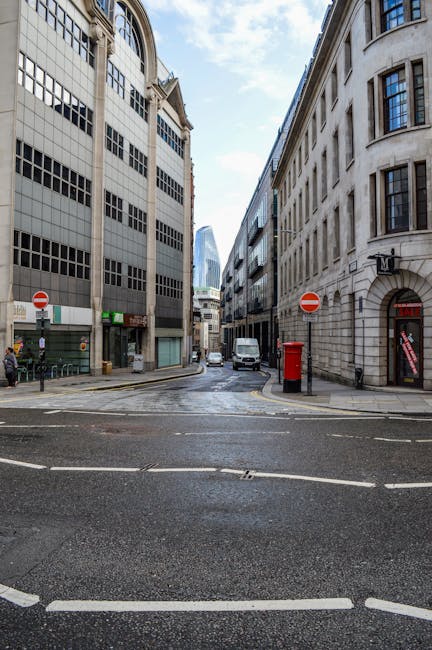
Why Ludgate Hill & Temple moves: parking and access tips Matters
Ludgate Hill and Temple sit in one of the busiest parts of central London, where roads are shared by commuters, visitors, taxis, deliveries, cyclists, and buses all at once. That means moving day logistics need a little more thought than a standard suburban house move. A van that could park easily on a quiet residential road may struggle here, especially if you are dealing with a tight window, timed access, or a building with no dedicated loading area.
Parking and access matter because they affect nearly everything else: how long the move takes, how many people you need, whether your furniture stays safe, and how much pressure lands on the moving team. If a van cannot stop close enough, every item has to be carried farther. That sounds minor until you are lifting a wardrobe down a flight of stairs in drizzle at 8:30 a.m. in the City. Then it becomes very real, very quickly.
For local residents, office tenants, students, and landlords alike, a little planning helps the whole day run more cleanly. It also helps you avoid the scramble of moving boxes from a corner, waiting while someone circles the block, or discovering that the lift is booked by another occupier. In our experience, the best moves in this part of London are the ones that look a bit boring from the outside. No drama. Just a sequence that works.
If you are trying to prepare properly, it can also help to read broader move-planning advice such as stress-free house moving strategies and this practical guide to packing efficiently when moving. Those two steps alone can save a surprising amount of time on the day.
How Ludgate Hill & Temple moves: parking and access tips Works
At a simple level, the process is about matching your vehicle, your property access, and your move timing to what the area can realistically support. In practice, that means understanding where your van can stop, how far the carry is from van to door, whether there are any restrictions on stopping, and how the building handles loading or servicing.
For central London moves, the sequence usually goes like this:
- Confirm the move date and target arrival time.
- Check the building access rules at both addresses.
- Identify the closest legal stopping or loading point for the van.
- Plan how furniture and boxes will travel from the property to the vehicle.
- Reserve lifts, notify concierge teams, or arrange key collection where needed.
- Build a realistic time buffer for traffic, pedestrian flow, and last-minute hold-ups.
That may sound obvious, but the little details are what change the experience. For example, a ground-floor office near Temple can still take longer to move than a third-floor flat if the only legal stopping point is down the street. Likewise, a building with lift access may still be awkward if the lift is small, shared, or unavailable during certain hours.
For larger items, access planning becomes even more important. If you are moving furniture or awkward pieces, take a look at furniture removals in Blackfriars for an idea of how specialist handling can reduce the strain. If the item is especially delicate or heavy, a specialist service such as piano removals is the safer route. A piano in a tight street is not something you want to improvise with. Not really.
Key Benefits and Practical Advantages
Good parking and access planning is not just about avoiding inconvenience. It changes the shape of the entire move. Here are the biggest practical advantages.
- Shorter loading times: less carrying distance means less fatigue and faster turnaround.
- Lower damage risk: fewer long carries reduce the chance of bumped corners, scratched walls, or dropped items.
- Less stress for everyone: the team can work calmly instead of rushing against the clock.
- Better schedule control: you are less likely to overrun building access windows or parking allowances.
- Cleaner communication: clear access plans make it easier for porters, neighbours, and movers to cooperate.
There is also a knock-on effect that people forget. When the vehicle is parked sensibly and the route is clear, packing inside the van improves too. Items can be loaded in the right order, so the unload at the other end is smoother. That small bit of structure pays off twice.
If you are still deciding how much help you need, the wider service pages can help you weigh the options. The company's services overview, man and van service, and removals in Blackfriars pages are useful starting points for understanding what support fits different move sizes.
Who This Is For and When It Makes Sense
This kind of planning matters most if you are moving in or out of:
- a flat above street level with limited lift access
- an office with shared building services or strict concierge rules
- a property near busy roads where stopping is brief or tightly controlled
- a home with valuable, bulky, or fragile furniture
- a same-day or time-sensitive move where every minute counts
It also makes sense if you are moving alone or with only one helper. In those cases, the cost of getting parking wrong is higher because you have less room to absorb delays. A move that might be manageable in a wide suburban cul-de-sac can become a headache very quickly in Temple's tighter streets or around Ludgate Hill's busier corridors.
Students and renters often underestimate this. If you are moving from a nearby flat, the problem is rarely the number of items; it is the access pattern. Stairs, narrow hallways, and no obvious place to stop a van can turn a small move into a long one. For flat-based moves, you may also find the dedicated flat removals page helpful, and if you are relocating with a tight deadline, same-day removals can be worth considering.
Step-by-Step Guidance
Here is a practical way to plan a Ludgate Hill or Temple move without making it more complicated than it needs to be.
1. Map the exact addresses and entry points
Do not rely on the front door alone. Note the rear entrance, service entrance, basement access, lift location, and any route from street to door. In central London, the closest legal stopping point may not be the most obvious one. Sometimes the walk is short but awkward; sometimes it is longer but much easier. That distinction matters more than people think.
2. Check building rules early
If the property has a concierge, managing agent, or office building team, ask about loading instructions, lift bookings, and any restricted hours. Some buildings want advance notice for move-in or move-out. Others need insurance details before they allow movers through. This is not red tape for the sake of it; it is just how busy buildings keep things moving. Still, it can catch you off guard if you leave it until the morning of the move.
3. Plan the van position, not just the parking
A van can be parked legally but still be poorly positioned for loading. Think about door alignment, boot access, kerb height, and whether the team will have space to open doors safely. If the road is narrow, one-way, or heavily trafficked, loading may need to be done in short bursts. That means your packing order should be more organised than usual.
4. Sort items by carry difficulty
Load the easy, stackable items first and keep awkward items ready for quicker access. If you are moving furniture, check whether it should be dismantled before the van arrives. For mattresses and bed frames, a little preparation goes a long way; this guide on moving your bed and mattress has some good practical reminders.
5. Create a loading path inside the property
Clear halls, protect floors if needed, and move clutter out of the main route. It sounds basic, but when a move is running and people are carrying boxes in both directions, a tidy path prevents little accidents. A wet umbrella stand by the door can become the oddest hazard in the world at exactly the wrong moment.
6. Build in a buffer
Central London traffic is rarely kind enough to be perfectly predictable. Add time for roadworks, pedestrians, lift waits, and last-minute access checks. If the schedule looks comfortable on paper, you are probably closer to the truth. If it looks rushed, it is rushed.
7. Confirm the exit and arrival process
Where will the team park or stop at the delivery point? Who has the key? Which entrance will be used? Is someone meeting the vehicle? These details feel small until they are missing. A short checklist message the day before often prevents unnecessary delay.
One more thing: if you are decluttering first, do it before you start packing. It really does simplify the access problem because you carry fewer things. The guide on decluttering before relocation is a sensible read if you want to trim the load before move day.
Expert Tips for Better Results
Here are the small, practical habits that tend to make the biggest difference in this part of London.
- Book the move for a calmer time of day if possible. Earlier starts can help you avoid the worst of the day's congestion.
- Use colour-coded labels for rooms so the unloading team can work faster once the van is parked.
- Keep one essentials box separate so you are not hunting for chargers, kettle items, or documents later.
- Photograph tricky access points such as stairwells, tight corners, or shared entrances if you need to brief movers in advance.
- Measure bulky items before move day. A sofa that fits in a lounge might still be awkward through a narrow doorway or lift.
- Protect both the property and your back by using proper lifting methods and enough help. If you are doing some of the work yourself, these solo lifting tips explain the safer approach.
For a lot of people, the surprise is not the heavy lifting. It is the stop-start rhythm. You carry two boxes, wait for the lift, move a trolley, step aside for someone else in the corridor, and then start again. It is a bit stop-start, stop-start. Planning for that rhythm helps you pace the day better.
If you are moving a workplace rather than a home, the same principles apply but the stakes are a little different. Offices often have stricter building management rules, more equipment to protect, and tighter deadlines. A good starting point is the office removals service page, which gives a better sense of how commercial moves are handled.

Common Mistakes to Avoid
Most access problems are predictable. That is the frustrating part. The good news is they are also avoidable if you know what to look for.
- Assuming parking will be easy: central London rarely rewards assumptions.
- Leaving access checks until move day: building rules and lift bookings are best confirmed early.
- Forgetting the carry distance: a legal parking space may still be too far from the entrance to be practical.
- Not measuring furniture: doorways, stair turns, and lift dimensions matter a lot.
- Packing in the wrong order: if the first items out are the hardest to reach, the whole schedule slows down.
- Ignoring weather and street conditions: rain, slippery pavements, and high foot traffic all add friction.
- Overloading one person: one strong helper is useful, but not a substitute for proper moving support.
A smaller but common mistake is forgetting what happens after the van leaves. If you need storage, cleaning, or a delayed handover, plan for that before the move starts. The company's storage options and end-of-tenancy cleaning checklist can be genuinely helpful if your move is being split across more than one day.
Tools, Resources and Recommendations
You do not need a huge toolkit, but the right basics make a move around Ludgate Hill or Temple much easier.
| Tool or resource | Why it helps | Best used for |
|---|---|---|
| Printed access plan | Keeps the team aligned on entrances, parking, and lift use | Flats, offices, and shared buildings |
| Furniture blankets and straps | Reduces scuffs and keeps items stable during loading | Chairs, tables, cabinets, white goods |
| Box labels and marker pens | Speeds up unloading and room placement | Every move, frankly |
| Floor protection | Helps protect shared corridors and polished surfaces | Managed buildings, offices, heritage-style properties |
| Building contact details | Useful for last-minute access questions | Concierge-managed or regulated premises |
Beyond the basics, it helps to choose a removal partner who understands the area and the realities of urban access. The company's removal services page gives a broader view of what can be arranged, while removal van hire is useful if you are comparing vehicle sizes or move types.
If you are still in planning mode, the pricing and quotes page can help you understand how quotes are typically structured. That is useful because access difficulty, parking distance, and timing can all affect how a move is priced. Nothing mysterious there, just the realities of labour and logistics.
Law, Compliance, Standards, or Best Practice
Central London moves often involve practical compliance rather than anything dramatic. The main point is to make sure your parking, stopping, and loading plans are lawful and building-friendly. Exact restrictions vary by street, council policy, and property management, so it is always wise to verify the details rather than assume.
Best practice usually includes:
- checking local parking and loading restrictions in advance
- making sure the vehicle does not block traffic, emergency access, or pedestrian routes
- following building rules for lifts, service entrances, and protective coverings
- using proper lifting and handling techniques to reduce injury risk
- confirming that the removals provider has appropriate safety processes and insurance arrangements
If you want a clearer picture of how safety is handled, the company's insurance and safety page and health and safety policy are worth reading. For customers who care about how their details and payments are handled, the payment and security information is also useful.
One important caution: if you are planning to stop in a restricted area, do not treat "just a few minutes" as a safe assumption. Rules can be stricter than they look, and in busy parts of London, enforcement is not something you want to meet by surprise.
Options, Methods, or Comparison Table
Different move setups call for different approaches. The best choice depends on your volume, access, and how much heavy lifting you want to take on yourself.
| Approach | Best for | Advantages | Watch-outs |
|---|---|---|---|
| Full removals service | Homes, offices, and larger or complex moves | Less stress, more support, better for awkward access | Usually costs more than a small self-managed move |
| Man and van | Smaller local moves, single-room moves, students | Flexible and practical for short-distance moves | You may need to do more packing and lifting yourself |
| Self-move with hired van | Very budget-conscious moves with easy access | Maximum control, can be economical | Parking, loading, and insurance responsibility sit with you |
| Specialist item removal | Pianos, large furniture, delicate items | Safer handling and proper equipment | Needs advance planning and clear access details |
In a place like Temple or Ludgate Hill, the most efficient option is often the one that reduces carrying distance and minimises decision-making on the day. Not always the cheapest on paper, but often the most sensible overall.
Case Study or Real-World Example
Imagine a small flat move from a Temple side street into another property near Ludgate Hill. The contents are modest: a bed frame, mattress, a desk, two shelving units, several boxes, and a freezer. Nothing wildly dramatic, but enough to be awkward if the access plan is poor.
Here is how a well-planned move might unfold. The client confirms building access in advance and learns that the lift has to be reserved for a short window. The mover checks the nearest suitable stopping point, rather than assuming the front entrance will work. Boxes are labelled by room, the bed is dismantled beforehand, and the freezer is prepared properly using advice similar to the guide on storing a freezer safely before moving.
On move day, the team arrives to find that pedestrians are heavy around lunchtime, so loading is done with care and in a clean sequence. One person manages the building access and lift timing, another handles furniture protection, and the van is kept loaded in a way that matches the unload order. The whole job is still a bit tiring - moving always is - but it stays controlled. No frantic re-routing. No mystery delays. Just a calm, proper move.
That is the real value of access planning. It does not magically make a central London move effortless. But it makes it manageable, and that counts for a lot.
Practical Checklist
Use this checklist the day before your move, or even earlier if your building has stricter rules.
- Confirm move date, arrival time, and key collection details
- Check loading, parking, and stopping restrictions near both addresses
- Notify building management or concierge if required
- Reserve lift access where possible
- Measure large items and doorways
- Disassemble beds, tables, or awkward furniture in advance
- Pack an essentials box separately
- Label boxes clearly by room
- Protect floors, corners, and fragile surfaces
- Keep building contact numbers handy
- Plan for traffic and add a small time buffer
- Arrange storage if your move-in and move-out times do not match
Expert summary: in Ludgate Hill and Temple, the best move is the one where parking, access, and timing are planned before the van arrives. If those three pieces line up, everything else becomes much easier. If they do not, even a small move can feel messy. Simple as that.
Conclusion
Ludgate Hill and Temple are rewarding places to live and work, but moving there demands a practical approach. Parking can be tight, access can be complex, and building rules can change a normal move into a logistical puzzle. The good news is that a little preparation goes a very long way. Check the access route, understand the parking situation, pack with the carry path in mind, and choose the level of help that fits the job.
If you are moving within the area, the smartest thing you can do is treat access planning as part of the move itself, not an extra task bolted on at the end. That mindset usually saves time, money, and a fair bit of stress too. And yes, it makes the whole day feel less like a scramble and more like a plan that actually works.
Get a free quote today and see how much you can save.
For anyone weighing up next steps, it can help to review the company's house removals, man with a van, and about us pages before booking. A move is always easier when you know who is handling the hard parts.
And if you are still in the middle of planning, take a breath. A well-run London move is absolutely possible. It just needs a bit of local know-how and a steady hand.